Monday, 6 April 2015

INTERCEPTOR MISSILE FAILS; DRDO TO CONDUCT ANOTHER TEST SOON


The Defence Research and Development Organisation (DRDO) faced a setback today after an Advanced Air Defence (AAD) interceptor missile fell into the sea seconds after its launch. The missile was test-fired from DRDO's launch facility in Wheeler Island, off the Odisha Coast.

DRDO officials, who spoke to OneIndia said that they would be back with another launch of the missile by the end of April after studying what went wrong.

"These are part and parcel of every missile trails. We had six successive missions of the interceptor missile. We suspect that one of the sub-systems in the missile might have failed," a top scientist not wanting to be named, said.

He said that Monday's test was to assess the performance of the composite motor rocket and the missile's ejection from the canister.

"These two parameters have been successfully tested. There was no target today. But one sub-system misbehaved and we are now analyzing some more data," he added.

DRDO says the missile's basic systems are all intact and worked as per the textbook. "Random problems can occur while dealing with complex systems. We will be back by the end of this month for another launch," he added.

He said that the missile caught fire after falling apart. This was DRDO's 7th interceptor missile test.

TWO FOREIGN COS SHOW INTEREST IN AVRO REPLACEMENT PROGRAM


Two foreign firms have written to the Defence Ministry expressing their interest to be part of the nearly USD 2.5 billion Avro replacement programme even though they had stayed away from the original bidding process.

Both the companies have offered to set up their respective platforms in India with local partners to meet the IAF requirement for the replacement of the ageing fleet of 56 Avro transport aircraft, defence sources said.

Analysts said that the development will not have any "direct" bearing on the lone bid by the Airbus-TATA consortium as other companies cannot be brought into the middle of an ongoing process.

A committee set up by Defence Minister Manohar Parrikar to look into the lone bid has already submitted its report. The committee was looking into the details and procedures of the bid since only one consortium responded to the Request for Proposal (RFP) for the Avro replacement programme.

Defence sources said that the committee in its report last month suggested various changes to attract greater private sector participation. The Defence Acquisition Council, to meet later this month, is likely to take a call on the project.

One of the options is to go for re-tendering in which the Indian companies become the main player rather than the foreign ones. Under the current defence procurement policy, a single- vendor situation is not to be entertained unless cleared by the DAC.

Another option is to put the project on hold and go ahead with the joint development and production of a 'Multi-role Transport Aircraft' with Russia, defence analysts said.

In May, 2013, the ministry had issued an RFP to original equipment manufacturers, including US firms Boeing and Lockheed Martin, European multinational Airbus Defence and Space and Antonov of Ukraine, among others. They were required to tie-up with an Indian private firm to produce 40 of the aircraft in the country while the remaining 16 were to be bought off the shelf.

However, only a single bidder -- the Airbus Defence and Space and Tata Advanced Systems Ltd (TASL) consortium -- had shown an interest in the proposal in October last year. The consortium plans to replace the Avro with C-295 transport carriers. Indian Air Force is keen to replace the fleet as it feels that the vintage Avro does not serve the purpose in the modern era.

IAF wants a replacement cargo aircraft with "back ramp" and the ability to land in "under-prepared ground".

FATHER, SON FLY IAF CHETAK TOGETHER; CREATE HISTORY FOR FLYING INSTRUCTOR'S SCHOOL (FIS)


Recording probably a rare flight history for the Indian Air Force's (IAF) Flying Instructor's School (FIS), a father and son flew a Chetak helicopter together. According to N Andavan, Public Relations Officer (Chennai), the event was a rare occurrence in the history of IAF's FIS situated in Tambaram.

Flying together was Air Marshal Arun Purushottam Garud, Air Officer Commanding in Chief, Southern Air Command and his son Lieutenant Commander Abhijeet Garud. The father-son flight happened at Air Force Station, Tambaram, on March 30.

Lieutenant Commander Abhijeet is a naval aviator undergoing the Qualified Flying Instructor's (QFI).

"The duo flew for over an hour and the father taught his son the finer nuances of instructional flying," Andavan said.

Air Marshal Garud is a Category-A QFI. He had held position as a directing staff at FIS earlier.

According to officials, Air Marshal Garud has rich and varied experience on operational flying, training and staff assignments. He is a senior QFI and has flown in excess of 6300 hours on various helicopters and training aircraft in his career.

After putting in close to four decades of Service in IAF, Air Marshal Garud is retiring by the end of May this year. In November 2013, the then Chief of Air Staff Air Chief Marshal NAK Browne had flown his last sortie in a Sukhoi at the Pune base.

Browne flew along with his son Squadron Leader Omar Browne from the Lohegaon air base, ahead of his retirement. In the mid-90s, at the Air Force Academy (AFA) in Dundigal, near Hyderabad, a father-daughter duo had flown together in the mid-90s as part of their training schedule.

The then Commandant of ASTE Air Vice Marshal K M Nair had a sortie along with his daughter, who was a flight cadet with the AFA then. The duo flew in a Kiran Mk-II aircraft. (This Correspondent had interviewed the duo then.)

According to noted IAF historian Jagan Pillarisetti a.k.a. P V S Jagan Mohan, six father-son teams flew and demonstrated their aerobatic skills in various parts of the country on October 7,1992.

Jagan says that this was part of the Diamond Jubilee celebrations of IAF and the only occasion when so many father-son teams took to the air.

Dream come true for me, says Air Marshal

Speaking to OneIndia, Air Marshal Garud said that it was priceless moment for him to fly with his son.

"It was a God-given opportunity. For us to fly together, the time and space all came together. It's a dream come true for me. I want my next seven generation to be in the armed forces. My daughter is already married to a naval officer as well," said Air Marshal Garud.

He said flying with son took him back to his early days of flying. "Yes, it was a flight down memory lane for me as well. But inside the cockpit we were true professionals. We conducted very professionally in the cockpit. No emotions in the cockpit. He saw the professional pilot in me and I saw the professional pilot in him as well," the senior IAF official added.

The Air Marshal said their flying together gifted great memories of a lifetime in addition to creating a wonderful harmony between the IAF and the Navy.

(The writer is a seasoned aerospace and defence journalist in India. He is the Consultant Editor (Defence) with OneIndia. He tweets @writetake)

India's Submarine rescue solution

Most rescue diesel-electric submarine ("BS"). R & D started CDB-112 (later renamed the CDB "Lapis") in 1964-1968 gg in the study of technical solutions rescue submarine. The decision of the USSR on the design and construction adopted September 20, 1967 Design was conducted using the experience of testing and trial operation rescue submarine pr.666 . 

Technical design of the submarine "Lenok" developed in 1969 (without the conceptual design, the chief designer of B, A, Leontiev). Working drawings PL pr.940 ready by 1972 and work began on the preparation of the construction of submarines in the factory "Him. Lenin Komsomol" (Komsomolsk-on-Amur). Parent PL BS-486 (serial №194) founded February 22, 1974, launched on September 7, 1975 and commissioned to the Navy 21 January 1976 the second boat BS-257 (serial №195) laid February 23, 1978, was launched on May 27, 1979 and passed the Navy September 1, 1979 Parent submarine transferred into trial operation (1976-1978 years) in the Navy 9 February 1976 to the Pacific Fleet (second PL BS-257 moved to the North Fleet).


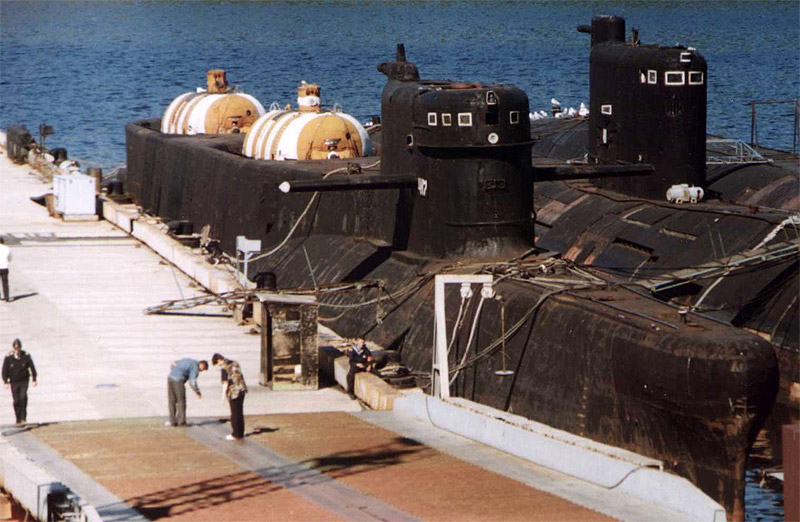
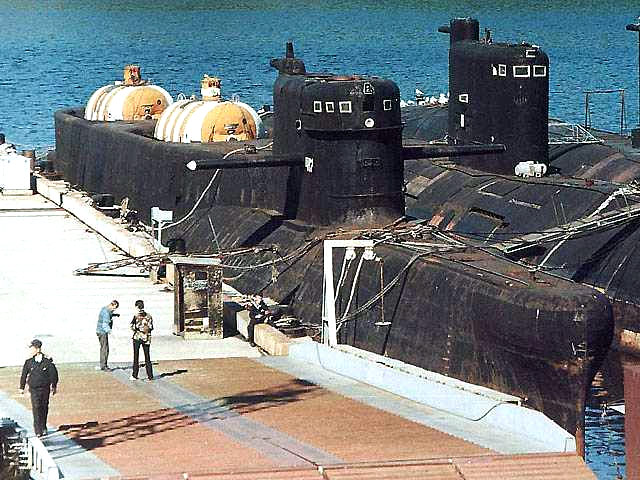
Submarine Rescue pr.940 "Lenok" INDIA with rescue devices pr.1855 "Prize". This is probably the BS-486, near the submarine pr.641B TANGO , 1998 (photo - Ilya Barrows, http://deepstorm.ru , http://tsushima.su/forums ).
 

Appointment PL:
- Search alarm submarines at depths up to 240 m on their own and at depths up to 500 meters using two self-propelled submarine rescue wearable shells (PCA) pr.1837.
- Determination of the state of emergency submarine by divers at depths up to 200 m.
- Emergency rescue of the crew of submarines "dry" method using ATP at depths up to 500 m and the "wet" method by divers at depths up to 120 m.
- Search for sunken models of arms and military equipment at depths up to 500 m using PCA.
- Denomination of emergency submarine using special signal cartridges and noise emitters EMERGENCY alarm MGS-29.
- Liaising with the emergency and maintenance of its submarine life.
- Conducting underwater divers by an extended stay at depths up to 300 m.
- Emergency towing the submarine surfaced.
- Conducting amphibious special operations using appropriate flotation devices instead of ATP.
 
The design of the submarine double-hulled. The upper part of the outer hull of the fence cuttings raised for securing ATP (withstands the storm to 8 points). The front wheels are mounted on horizontal submarine cabin. Bow bulb characteristic of surface vessels placed in it the CEO.
 
Engines :
2 x 1D43 diesel engine rated at 4000 hp with a system of RDP
1 x 2D42 diesel generator power 1750 hp
2 x main propulsion motors PG141 capacity of 3550 hp
2 x motor of economic progress PG140 capacity of 190 hp
2 x PG103K motor capacity of 50 hp at 165-420 rev / min lag displacement (provide maneuvering near the sunken submarine) - located in the fore and aft ends of the submarine
 
Mechanics - two shafts with two screws in the annular nozzles.
 
Energy - lead-acid batteries "article 419", the number of 4 groups of 112 pcs.
 
Special equipment - on submarines installed special equipment for extended periods of divers at depth - thread-decompression chamber for divers with the gateway, and cut off a long stay divers. Observation equipment is used for saving the "Trident-KP." Work cover long stay divers and rescue provided helium-oxygen compressor GK-225 and GK-3 compressor.

TTX submarine :
The crew - 94 people (including 17 officers, 21 people diving service and 8 people crews PCA) + 50 seats for the crew of the submarine accident
 
Length - 106 m
Width - 9.7 m
Draft - 6.9 m
 
Displacement above water with the normal 2 PCA - 3950 tonnes
Displacement underwater with 2 PCA - 5100 tonnes
Buoyancy - 29%
 
Speed ​​surfaced maximum - 15 kt
Maximum speed underwater - 11.5 kt
Underwater speed the lag - 0.3 kt
Range surface speed (at a rate of 13 kt) - 3000 miles
Submerged speed range (at a rate of 3 kt) - 85 miles
Submerged speed range (at a rate of 11.5 kt) - 18 miles
Immersion depth Working - 240 m
Immersion depth limit - 300 m
Continuous stay under water - 60 hours
 
Autonomy - 45 days
 
Armament:
- 2 x self-propelled projectile rescue (ATP) pr.1837
- Since 1980 after upgrading the submarine B-486 (on the B-257 after construction) - ATP pr.1855 "Prize"
- From 1994 to the B-257 - SPS pr.18270 "Bester"
- As well submarines during retrofit upgrades for receiving devices for repairs and pr.1837K pr.1839.
 
 
Equipment: (part of the SAS stations and dr.oborudovanie probably mentioned twice under different names, as identification will be fixed)
- Search Engine ASG minoiskaniya MG-519 "Plutonium" - in the course of modernization replaced by GAS "Harp-G" (used to search for the sunken submarine without emergency signaling device, installed in the course of modernization) - replaced by "Harp-M" in the course of modernization
- GAS "Gamma-P" (established in the course of modernization)
- Navigational sonar MG-17
- A system of "Cobalt"
- 2 x ASG locations MGA-5 (located along the ship's keel in part) - to clarify the position of the submarine emergency PL) - in the course of modernization replaced by the CEO of the side and circular scan "Crillon"
- GAS shumopelengatsii MG-10m2 (bearing to provide emergency submarines by emergency alarm signals MGS-29 emergency PL)
- ASG emergency communications MG-15 or MG-25
- The equipment determine the speed of sound in water MG-23
- GAS connection with the PCA - MGA-1
- Radar "Cascade"
- Radar-identification (?) "Chrome-KM" - in the course of modernization changed to "Password-301"
- Finder "Veil"
- Radiation detection radar station (SARS) "Roll forward-M" (replaced by MRP-25 in the course of modernization)
- Communication station STAN-M - is replaced by "Anis-M-B" in the course of modernization
- Periscope
- Determine the start of cavitation equipment screw GI-102
- Navigation echo sounder NEL-6 (replaced during the repair on sounder M1)
- Eholedomer EL-3
- Hydroacoustic log LA-1 (for measuring the speed of the submarine over the ground at a distance to the ground)
- Hydroacoustic log LA-3 "Kem" (for measuring the speed of the submarine over ground when the distance to the ground 5-170 m) - established in the course of modernization
- GAS "Equator-1" - for locating submarines relatively bottom lighthouses.
 
For communication with the station is used by divers MAR-55. optical visibility from the TV set of the MT-70 (4 pcs) with 5 cameras under the keel and one camera in the cockpit (field of view - 50 m in length and 10 m submarines from the keel and over the boat) - observation is carried out through three screens in the control room . Light TV camera provides deep JMT-64 lamps. Automated system for retaining the depth of immersion with the possibility of changes in increments of 1 to 15 m. There is a pump for the erosion of the soil to a depth of 120 m. There is equipment-electric metal cutting and welding at depths up to 60 m (surfaced submarines) and up to 200 m (in the underwater position).
 
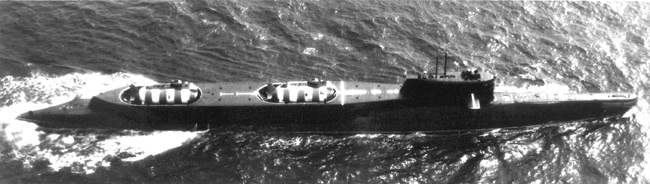
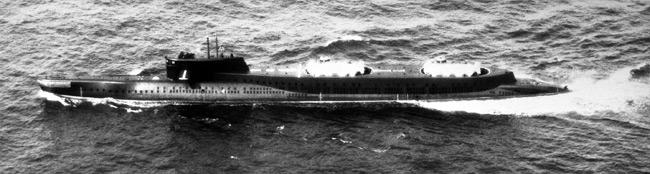
PL pr.940 INDIA, 26.10.1983 (photo PH2 Beech, US NAVY, http://www.defenseimagery.mil ).
 
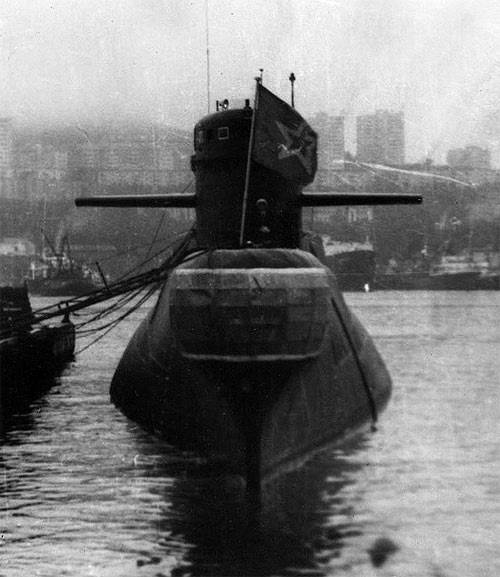
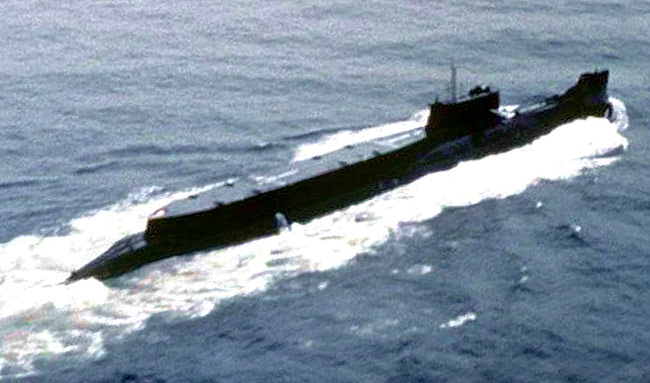
PL BS-486 pr.940 INDIA, Vladivostok (Photo by Alexander Kotok, http://forums.airbase.ru ).
 
PL pr.940 INDIA after the upgrade - set pr.1855 rescue vehicles, 01/10/1985 (photo US NAVY, http://www.defenseimagery.mil ).
 
PL pr.940 INDIA after the upgrade - set pr.1855 rescue vehicles, 10/03/1987 (photo US NAVY, http://www.defenseimagery.mil ).
 
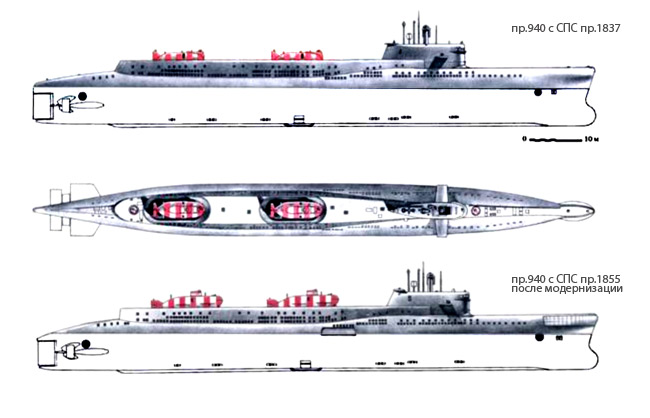
Projection PL pr.940 (correction projections with http://deepstorm.ru )
 
Status: USSR (Russia) - for export are not supplied.

- 1977 October - minesweeper "fuse" together with pr.266M minesweeper "Charge" and submarine rescue BS-486 pr.940 made ​​the transition to Kamchatka to search for the sunken submarine after firing torpedoes new sample. (BS-486 submarine was listed as part of the 19th Brigade of submarines, Vladivostok, bay Ulysses). The torpedo was found trawler almost from the first tack using sonar to search for ground mines. Following the discovery of the torpedo guidance was carried out underwater transport and rescue apparatus on board the submarine BS-486 lying on the ground with the help of a torpedo sonar and sonar communication. Torpedo raised to the surface ( source ). - 1978 - head held two submarines modernization of equipment according to the original project.

- March 1978 - BS-486 participated in Podem helicopter crashed on board the cruiser "Admiral Senyavin."

- October 1978 - BS-486 participated in Podem sunken ballistic missile near Kamchatka.

- 1980 - modernization of submarines head to the admission of new types of ATP

- 1980 October - Salvage Operation Yak-38. 09.08.1980, in the South China Sea, on completion of aircraft carrier "Minsk" another short take-off at 8 deg. north latitude, 108 degrees. E Deck attack plane crashed Yak-38. By order of command minesweeper "fuse" pr.266M went went to the naval base Cam Ranh, (Vietnam) and took part in an operation to search and lifting crashed aircraft. Search aircraft produced using sonar search of bottom mines. Location of the aircraft was found. In the future, the ship has the task of putting in the submersible submarine BS-486 pr.940 (from the 19 SLBMs). The task of the ship has been successfully completed. The plane with the remains of the pilot was raised, loaded aboard BOD "Petropavlovsk" and sent to the USSR ( source ). - 1981 October 21 - BS-486 took part in the rescue divers from the sunken submarine S-178 (pr.Bosfor East, Pacific Ocean) pr.613 .


- 1980 - Development project for the modernization of submarines for testing MHD propulsor (to be installed in place of one of the PCA).

- 1983 September-November - BS-486 participated in the operation to raise the "black boxes" was shot down over Sakhalin South Korean Boeing 747.
 
Going PL BS-257 pr.940 INDIA with the Northern Fleet Pacific Fleet. PL converted to ice navigation (file photo DDR80,http://forums.airbase.ru ).
 
- 1987 September 20 - 1989 December 8 - PL BS-257 underwent repairs and modernization of the factory SRZ-35 (Murmansk).

- 1980 2nd half - development of submarine modernization project for the installation of auxiliary nuclear powerplant WOW-6.

- March 1989 - BS-486 to provide a lift pressure vessel lost when you exit the PLA base.

- 1990 - BS-486 - repair of the plant "Dalzavod" (Vladivostok).

- 1992 - BS-486, repair discontinued submarines withdrawn from the Navy.

- 31 July 1996 - BS-257 is derived from the Navy.

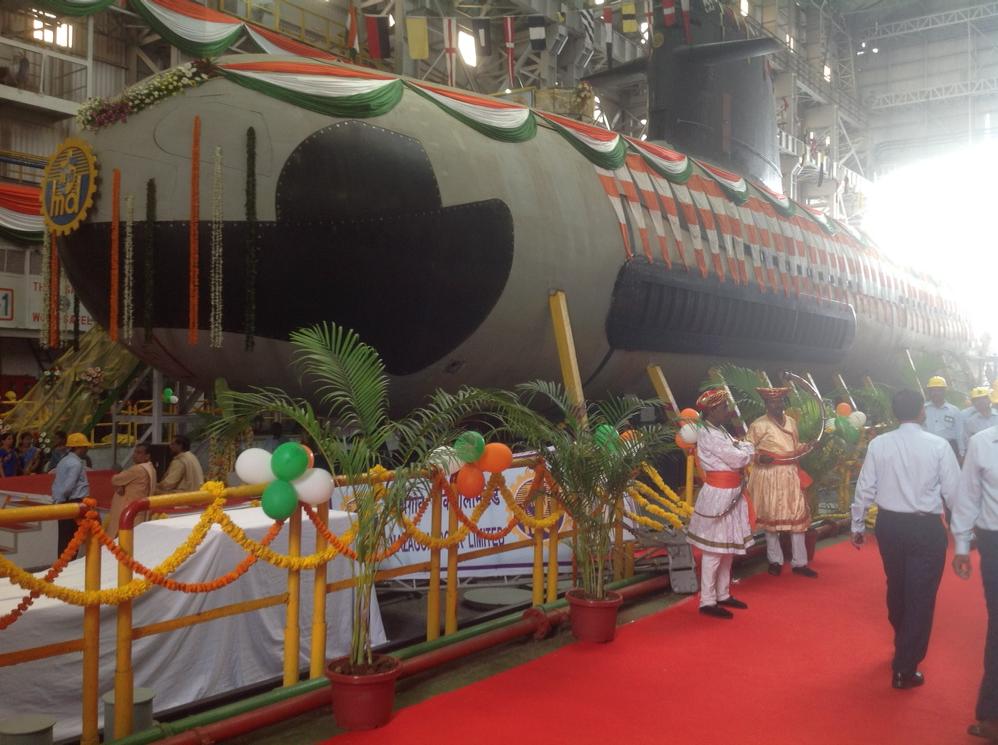
India's First Scorpène-Class Diesel-Electric Attack Submarine INS Kalvari Rolled Out!


INS_Kalvari_Submarine_Fin_at_RK_Beach_04.jpg

Embedded image permalink

Embedded image permalink

Embedded image permalink

Embedded image permalink

Embedded image permalink

Embedded image permalink

Here is the Inside View of the Scorpene Submarine :D 

[​IMG]

[​IMG]

[​IMG]

[​IMG]

[​IMG]

[​IMG]

[​IMG]


General characteristics

Class and type: Scorpène class
Type: submarine
Displacement: 1,565 tonnes (1,725 short tons) (CM-2000)
1,870 tonnes (2,060 short tons) (AM-2000)
2,000 tonnes (2,200 short tons) (S-BR)[1]
Length: 61.7 m (202 ft) (CM-2000)
70 m (230 ft) (AM-2000)
75 metres (246 ft) (S-BR)[1]
Beam: 6.2 m (20 ft)
Draught: 5.4 m (18 ft)
Draft: 5.8 m (19 ft)
Propulsion: Diesel-electric, batteries, and AIP
Speed: 20 knots (37 km/h) (submerged)
12 kn (22 km/h) (surfaced)
Range: 6,500 nmi (12,000 km) at 8 knots (surfaced)
550 nmi (1,020 km) at 5 knots (submerged)
Endurance: 40 days (compact)
50 days (normal)
50+21 days (AIP)
Test depth: >350 metres (1,150 ft) [2]
Complement: 31
Armament: 6 x 533-mm torpedo tubes for 18Whitehead Alenia Sistemi SubacqueiBlack Shark heavyweight torpedoes or SM.39 Exocet antiship missiles, 30 mines in place of torpedoes


Equipments , sensors ,electronic and also AIP will change accoridng to our requirements.
Last two will have our own indigenous AIP.


Major Milestone for Indian Navy’s Project 75

MDL Has A Critical Role to Play in Navy’s Future Plans: Manohar Parrikar

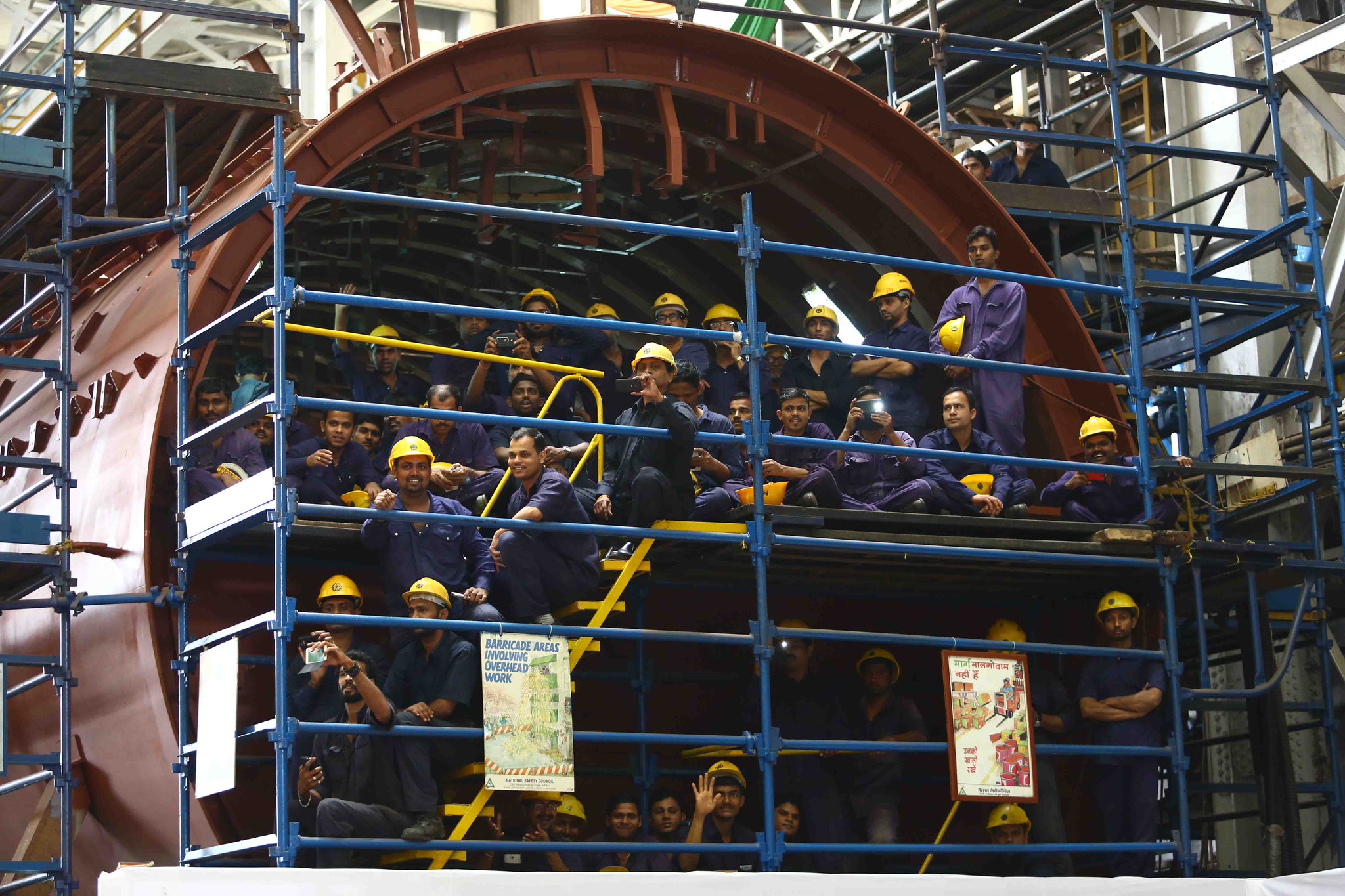
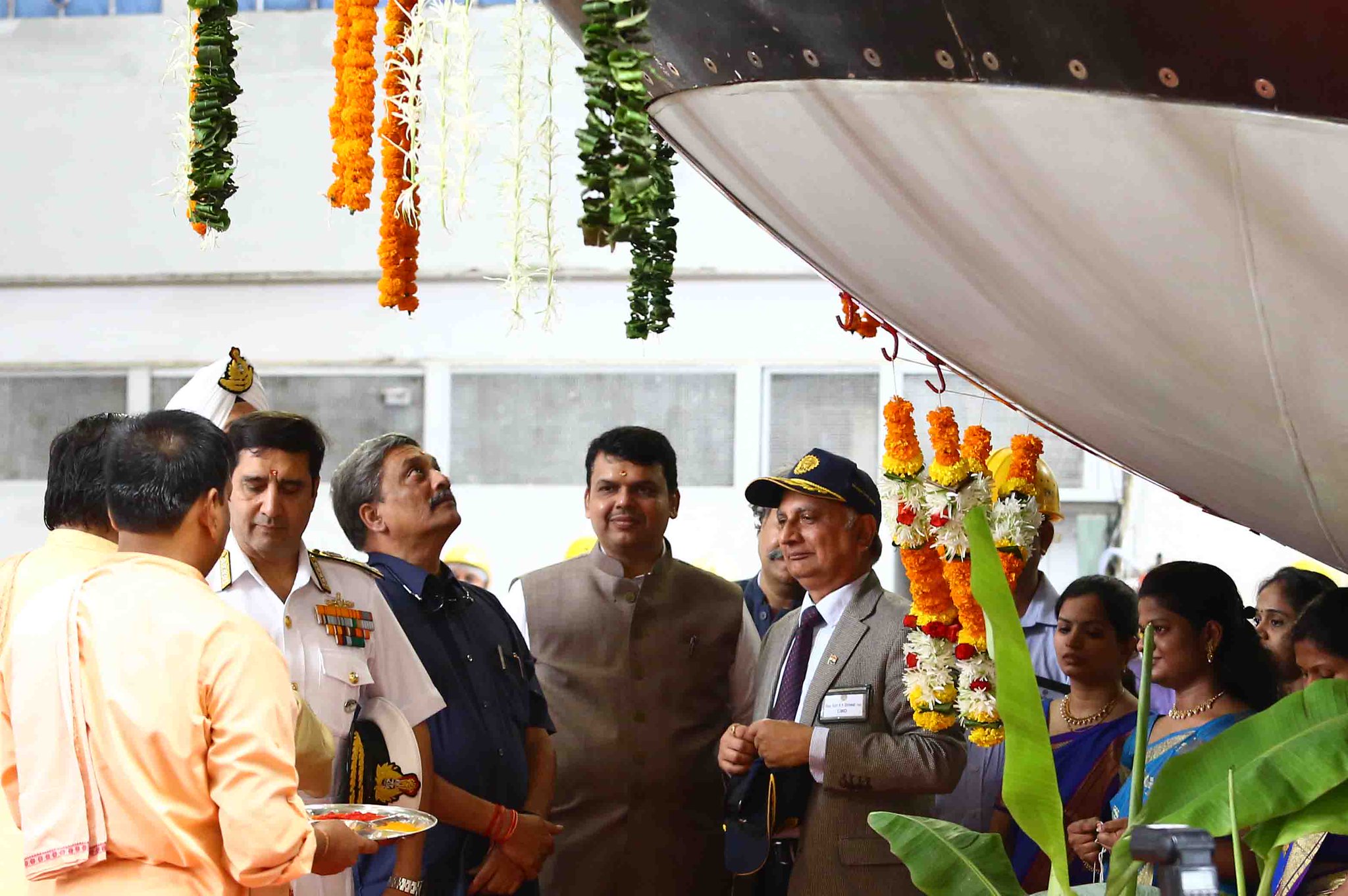
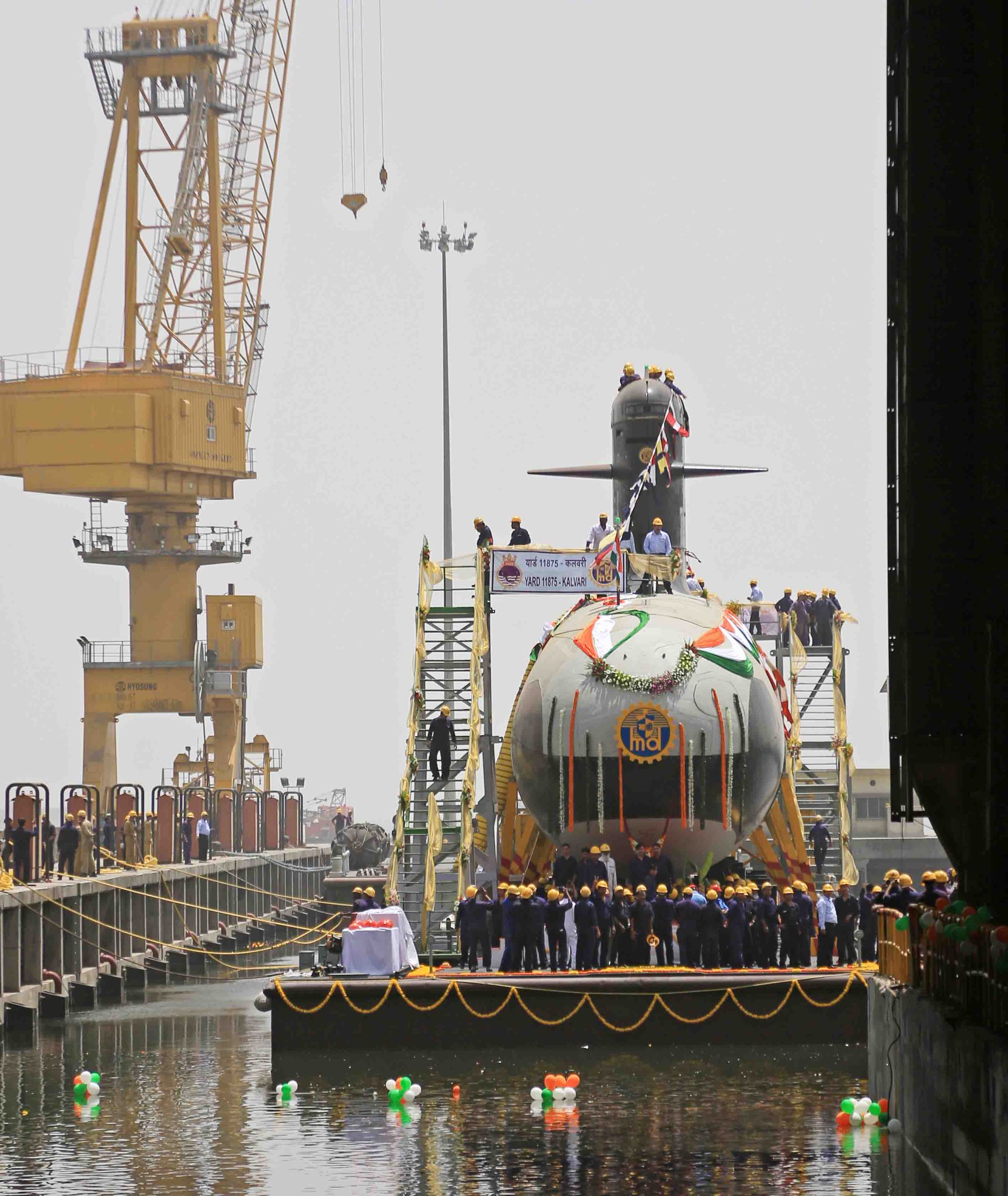
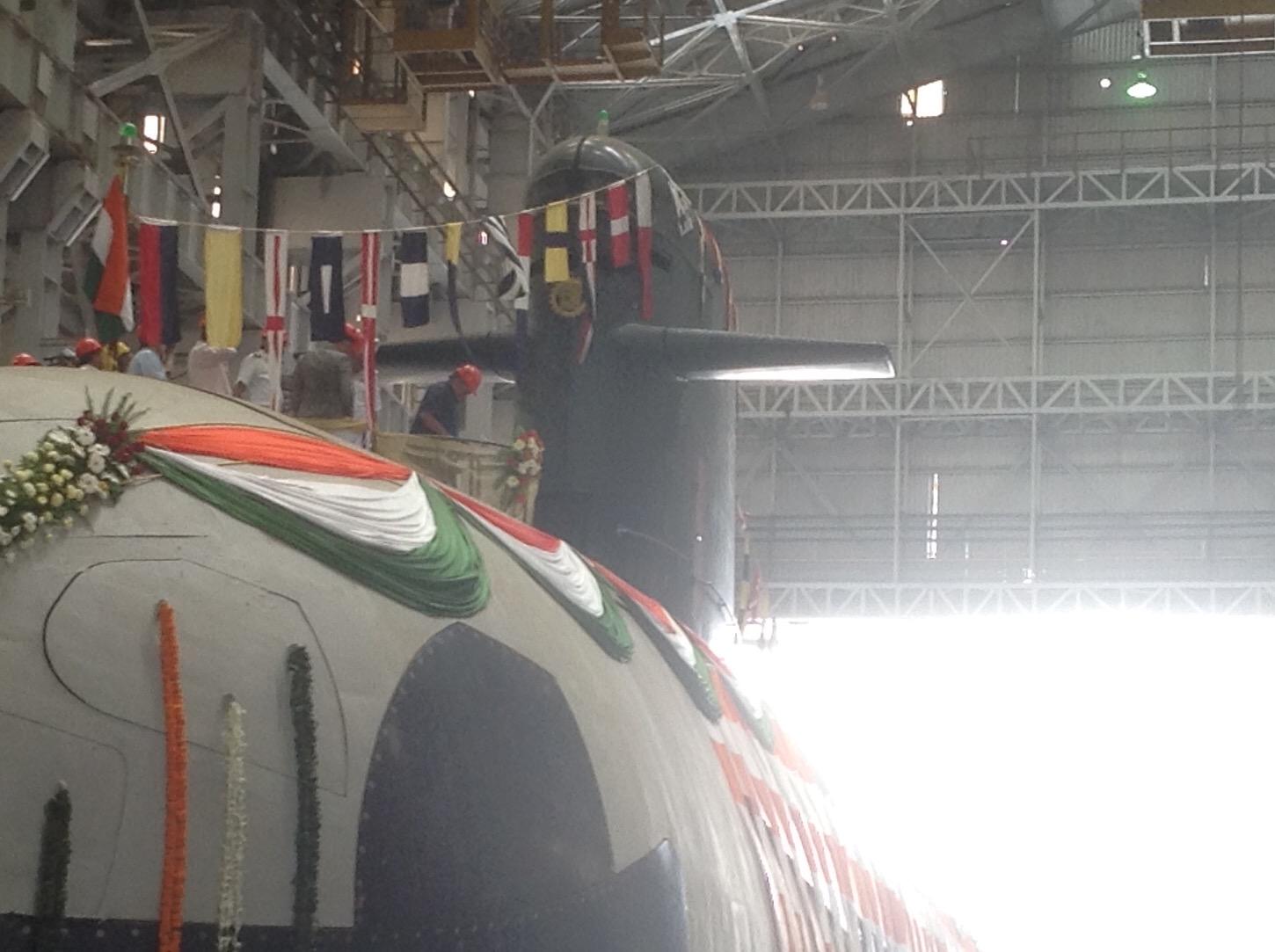
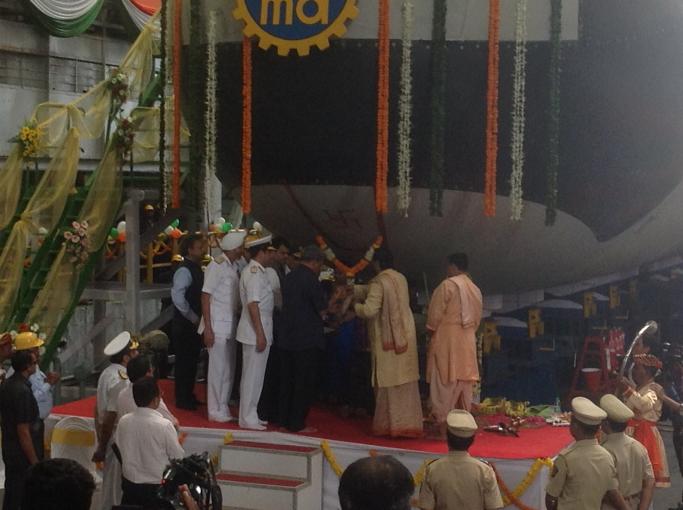
Kalvari, first of the Indian Navy’s Scorpene class stealth submarines being built under the Project 75, under collaboration with M/s DCNS, France, achieved a major milestone today with her ‘undocking’ at the Mazagon Dock Limited (MDL).

The event was witnessed by the Defence Minister Shri Manohar Parrikar, the Chief Minister of Maharashtra Shri Devendra Fadnavis and the Chief of the Naval Staff Admiral RK Dhowan amongst other dignitaries present at the landmark occasion.

Addressing the staff and workers at a glittering ceremony at the Eastman yard, Shri Parrikar urged them “to strive towards making the yard a globally renowned one and to play a critical role in Indian Navy’s goal of becoming a true Blue water Navy”. The project 75 which has already seen a delay of almost 40 months has now been brought on track and the delivery schedule for the successive submarines have been reduced. Shri Parrikar asked the defence public sector yards viz. Mazagon Docks Limited and Goa shipyard to double their production in the coming three years.

Shri Parrikar said as far as P75(I) Project is concerned, private players can also be invited for joint venture which would help early fruition of the project. He warned that if the project is not completed in the stipulated time, the defaulting yard would have to pay penalty but an early completion would be rewarded with a bonus. He also asked MDL to take a lead in the skill development of local unemployed youth.

With a name steeped in the long and glorious tradition of its illustrious predecessor, an erstwhile Russian ‘Foxtrot’ class submarine, Kalvari, upon its scheduled commissioning in 2016, would lend an enormous fillip to the Indian Navy’s underwater capability. The remaining five boats of the Project 75 would be delivered by the yard to the Navy by 2020 and would form the core of the Navy’s submarine arm for the next two decades.

The Scorpene submarines would pack a potent punch. She would be equipped with anti-ship missiles and long range guided torpedoes alongwith modern sensor suite.

After having delivered two Shishumar class submarines in the early nineties, the event further highlights MDL’s position as the premier submarine building yard for the Indian Navy. From a small dry dock built to service ships of the East India Company, MDL today is at the forefront of warship construction with the P 15 B class destroyers and P 17 A class stealth frigates being the latest. As the exclusive public sector shipyard manufacturing submarines in the country, Project 75 marks a critical milestone in the Yard’s continued relevance asa defence public sector undertaking constructing submarines.

The Scorpene submarines are the precursor to the Navy of tomorrow and their induction into the Navy justifies the Indian Navy’s credo of “Glorious wake, Vibrant future.”
 vs Appache

Colours Presented To 20 Madras & 21 Madras By Army Chief


It was a historic moment for the Indian Army at Wellington Military Station today, when General Dalbir Singh, Chief of the Army Staff, on behalf of the Hon’ble President of India, Shri Pranab Mukherjee, presented the “President’s Colours” to 20 MADRAS and 21 MADRAS Battalions of the Madras Regiment.

This rare honour has been bestowed upon these two battalions in due recognition of their dedicated and meritorious service rendered to the nation since raising. To commemorate this historic event, the Chief of the Army Staff also released a “Special Day Cover”.

The colour presentation parade was held at the historic Shrinagesh Barracks. The contingents of brave ‘Thambis’ paraded with élan and pride amidst an exhilarating audience.  The Parade was commanded by Brigadier S Suresh Kumar, Commandant, The Madras Regimental Centre.

The Madras Regiment was raised in 1758 and is one of the oldest regiment of Indian Army. In the course of discharging its onerous duties, both in operations and in peace, the hard work done and sacrifices made by the valiant soldiers of the regiment have been duly recognised by the award of 45 Battle Honours, 14 Theatre Honours, nine COAS unit citations, 25 GOC-in-C Unit Appreciations and two UN Force Commanders Unit Citations.

Evacuation Of Indian Nationals From Djibouti By IAF


Consequent upon the Government of India issuing an advisory for Indian nationals to leave Yemen, the Indian Air Force (IAF) deployed two heavy transport aircraft with alacrity, in support of evacuation operations. In a well coordinated operation involving multi agencies,
IAF deployed two C-17 Globemaster III aircraft, yesterday. These aircraft took off from Delhi early yesterday morning and reached Djibouti. These two aircraft brought back people evacuated from Yemen to India. The first IAF C-17 aircraft landed at Kochi at 0147 hrs carrying 168 passengers and the second C-17 landed at Mumbai at 0324 hrs carrying 190 passengers.

It would be pertinent to note that transport aircraft are being utilised extensively for Human Assistance Disaster Relief (HADR) operations. The Indian Air Force, after proving its mettle in bringing succor to scores of people after Jammu & Kashmir in September last year has once again risen to the occasion and added a pioneering chapter in Disaster Relief by bringing home the Indians evacuated from Yemen. The Indian Air Force reaffirms its commitment towards Humanitarian Assistance and Disaster Relief Operations in support of the nation.

Evacuation of Indian Nationals from Aden by the Indian Navy

Consequent upon the Government of India issuing an advisory for Indian nationals to leave Yemen, the Indian Navy has deployed three ships in support of the evacuation operation. In a well coordinated operation involving multiple agencies, INS Sumitra, an Offshore Patrol Vessel, which has been deployed for anti-piracy patrol in the Gulf of Aden since 11 Mar 15 was the first to undertake evacuation from Yemen. The ship was re-deployed off the Port of Aden on 30 Mar 15 and, thereafter, entered Aden Harbour in the evening of 31 Mar 15. The ship evacuated 349 Indians from Aden and is currently on passage to Djibouti. On disembarkation of these personnel at Djibouti, the ship is scheduled to return to Aden to undertake further evacuation, if required.

IN Ships Mumbai and Tarkash also sailed from Mumbai on 30 Mar 15. The ships will escort two passenger vessels, Kavaratti and Corals, through the piracy risk area off the Coast of Somalia. These passenger vessels had sailed from Kochi on 30 Mar 15, to Djibouti. The two warships will, thereafter, be available for evacuation of Indian nationals from Yemeni ports, as required.

Coincidentally, the Indian Navy had undertaken a large scale HADR Exercise very recently in Feb 2015. The alacrity and flexibility of the current operation once again underscores the Navy’s capability in terms of Humanitarian Assistance and Disaster Relief (HADR).